This page gathers the four-step Teshuvah meditation taught at the Kabbalah Centre. It is not a text to read, it is a tool to use: a map back to every moment we reacted, so that it can be transformed. Read it once to understand, then do it with your eyes closed. Each step only works if it is true.
Return and Elevate
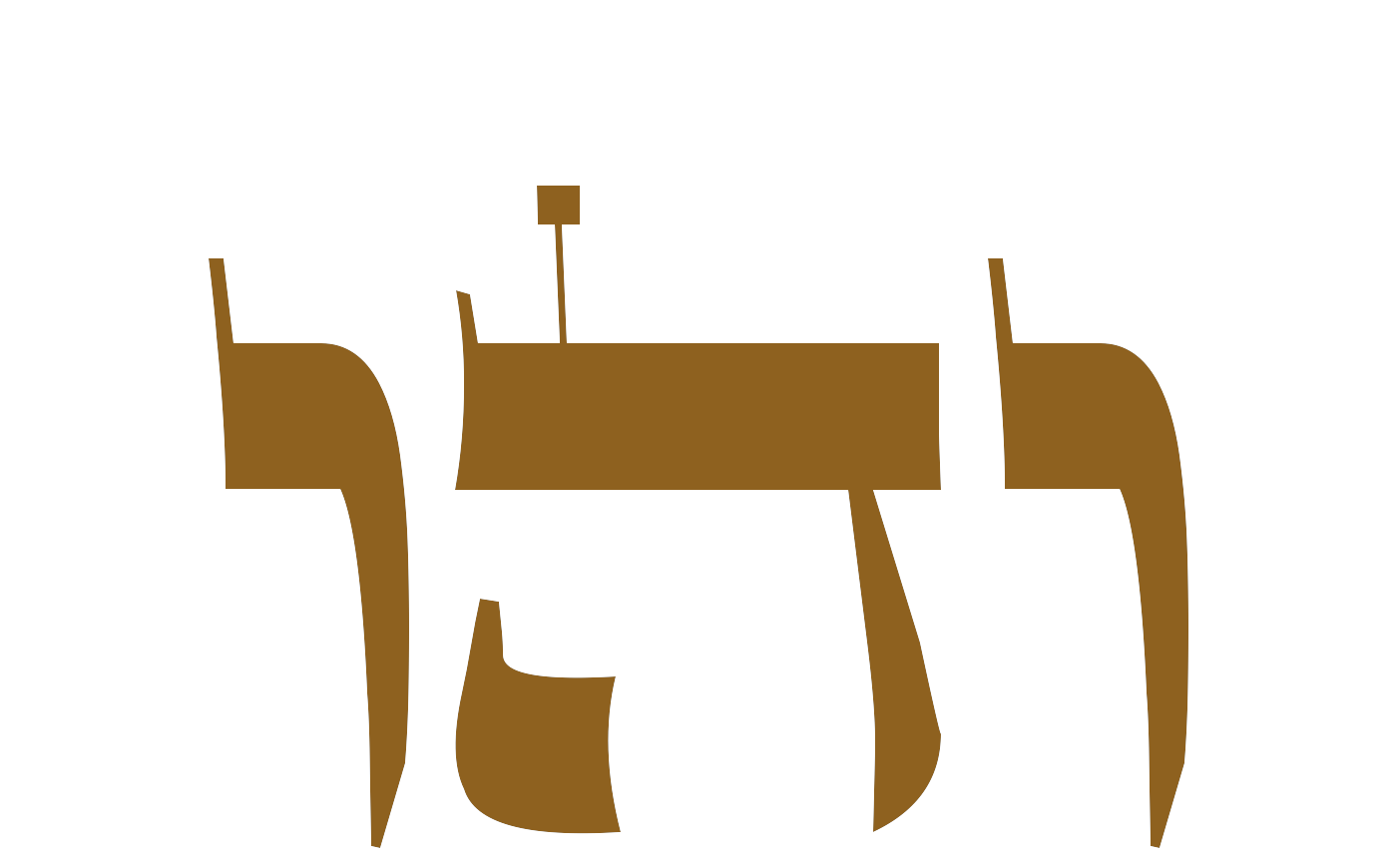
The 72 Names of the Creator are sequences of three Hebrew letters used as meditation tools. In this practice, two of them work together: 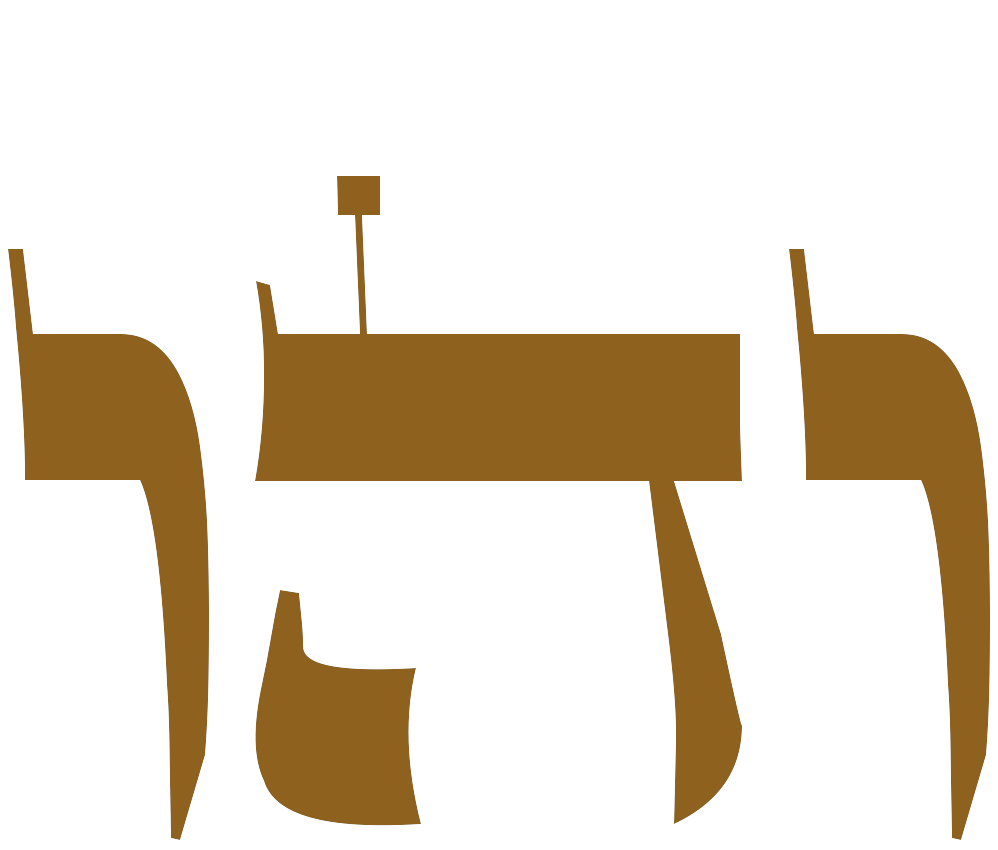 (Vav-Hei-Vav) helps you go back in time, to the instant we reacted.
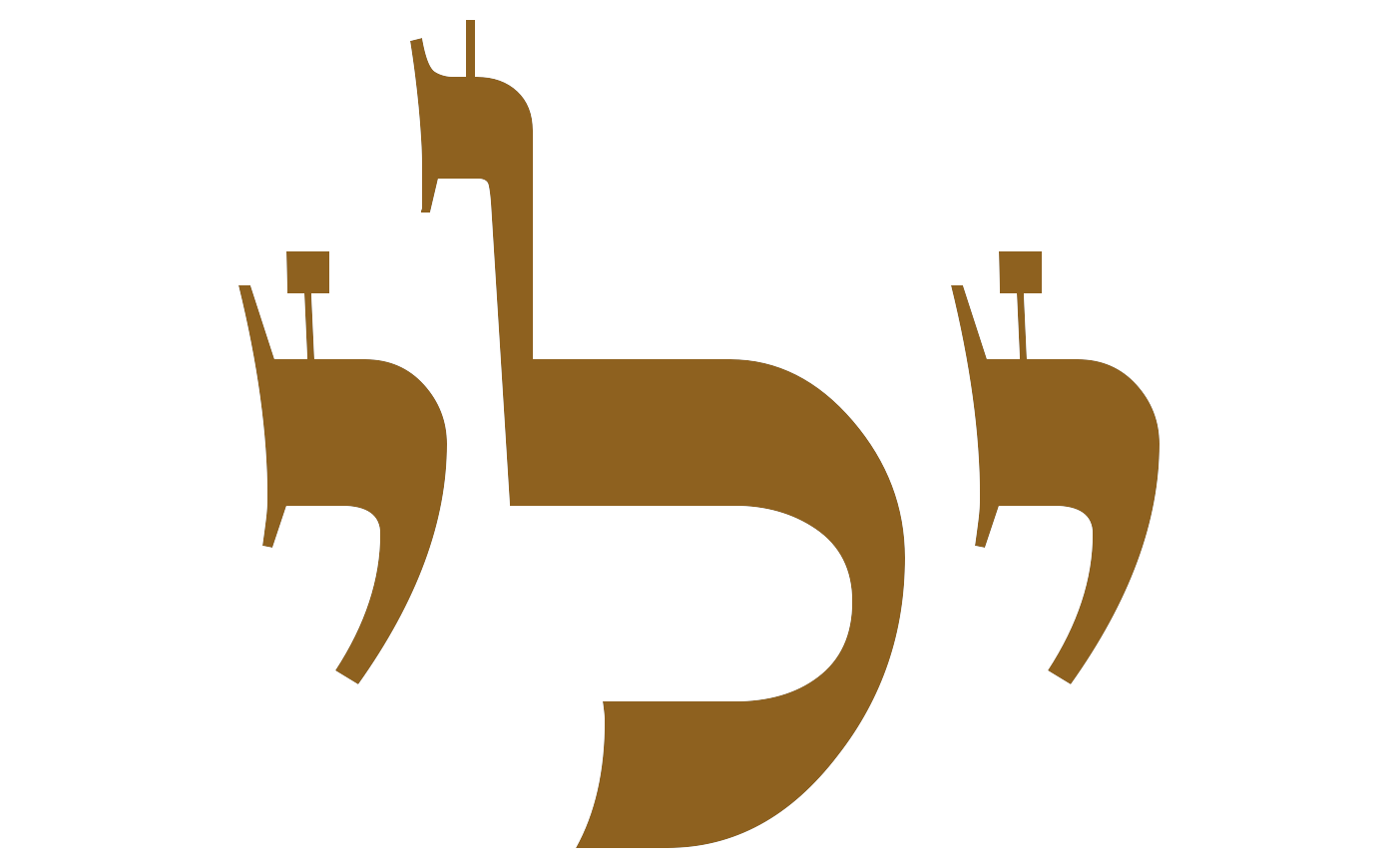
And 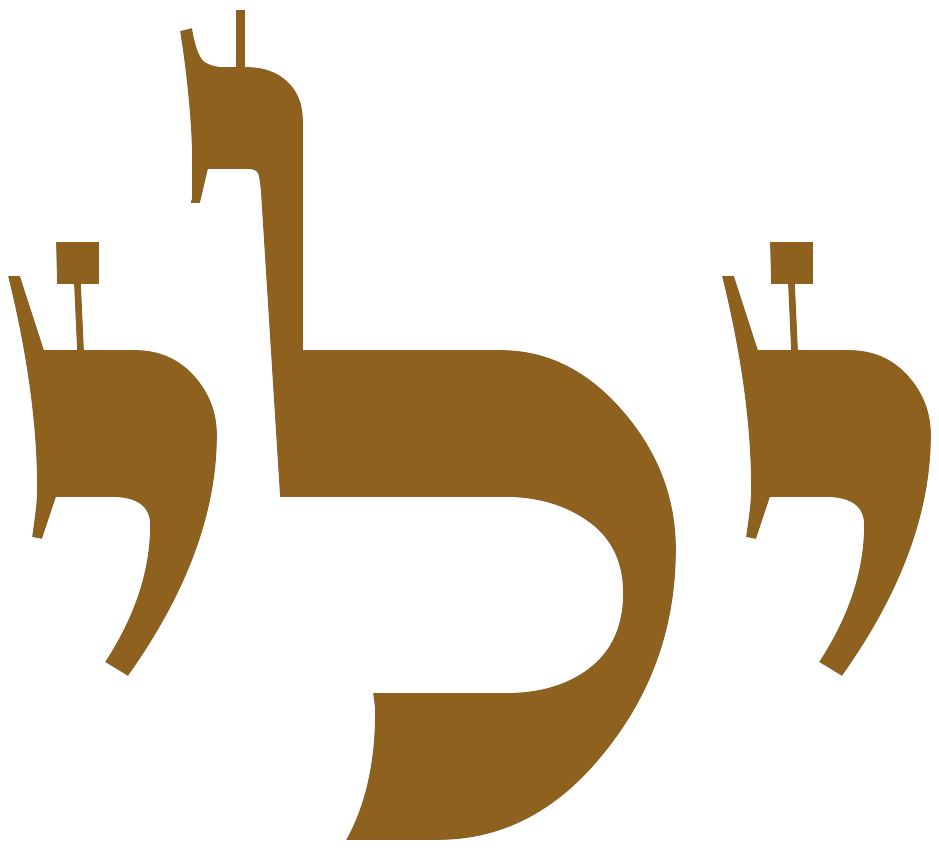 (Yud-Lamed-Yud) helps raise the sparks of Light, rescuing them from the negative side and bringing them back into our life. Nothing is lost: everything can be elevated.
Teshuvah is not guilt, it is surgery
Teshuvah is not the weight of feeling guilty. Done honestly, it surgically changes the negative action left behind in the past. The word means return: going back to the moment and remaking it from within.
The teaching is bold: when you walk through the four steps honestly, it is as if that act had never happened. Not because the memory disappears, but because the energy it created was transformed at the root.
The axis of it all: reactive and proactive
What we go back to correct is always a reactive behaviour, a moment when the ego took the wheel. Teshuvah takes that scene and remakes it proactively.
Being proactive here has a precise meaning: initiative, restriction, and sharing. Instead of reacting to what happened, you consciously choose who you want to be inside that same scene.
The seven areas of the ego
As you return to the moment, the meditation asks you to examine each area of the ego, to find exactly where it acted: Judgement, Control, Anger, Hatred, Pride, Laziness, and Procrastination.
Naming the door reactivity came through is not accusation, it is precision. You cannot transform what you cannot see clearly.
Feel the pain, not the guilt
Here is the distinction that frees. The second step does not ask for guilt, it asks you to feel the pain of the negativity that was created. Guilt traps; conscious pain moves through.
We can circle a problem for a lifetime. The only way to be free of the burden is to face it, feel what we created, and go through it. That awakens a healthy fear and a pain that teaches.
Remake the scene proactively
In the third step, you recreate exactly the same scene, but now you move through it as if you had been entirely proactive. What would your consciousness be? What would your words be? What would you feel?
This is not fantasy. It is rehearsing, in the imagination, the version of you that acts with initiative, restriction, and sharing, until it becomes more real than the old reaction.
Raising the sparks of Light
Beneath the exercise there is a spiritual mechanism. Every reactive action traps sparks of Light on the negative side. Remaking the scene rescues those sparks and brings them back into your life.
That is why Teshuvah does not erase, it recovers. The tool (Yud-Lamed-Yud), from the 72 Names, is used precisely to raise those sparks from the negative side back to the Light.
The tools of the 72 Names
The meditation uses two Names as instruments. (Vav-Hei-Vav) helps you go back in time, to arrive again at the instant we reacted, with the clarity needed to work on it.
And (Yud-Lamed-Yud) raises the sparks back to the Light. One Name opens the door to the past; the other brings back what was trapped there. Return and elevate.
The vow that changes the film
The fourth step seals it all. Make a true vow to yourself to face similar situations in a new, proactive way. Not a religious promise we probably will not keep, but a real commitment, always asking the Light for help.
So that it stays more than words, imagine what the coming days and the coming years of your life will be like with that change already in place. This is the step that guarantees your film has changed.
Do the Teshuvah, step by step
Vav-Hei-Vav, from the 72 Names, to go back in time.
Yud-Lamed-Yud, to raise the sparks back to the Light.
+
If I could remake that scene now, with initiative, restriction, and sharing, who would I choose to be?
Source: material from the Kabbalah Centre on the four-step Teshuvah meditation. Synthesis and adaptation by Thiago Moshe · Kabbalistic Insights.
The tools cited, (Vav-Hei-Vav) and (Yud-Lamed-Yud), belong to the 72 Names of the Creator. The sentences in quotation marks are paraphrases of the original material, not literal quotation. The source document names no author.
Thiago Moshe